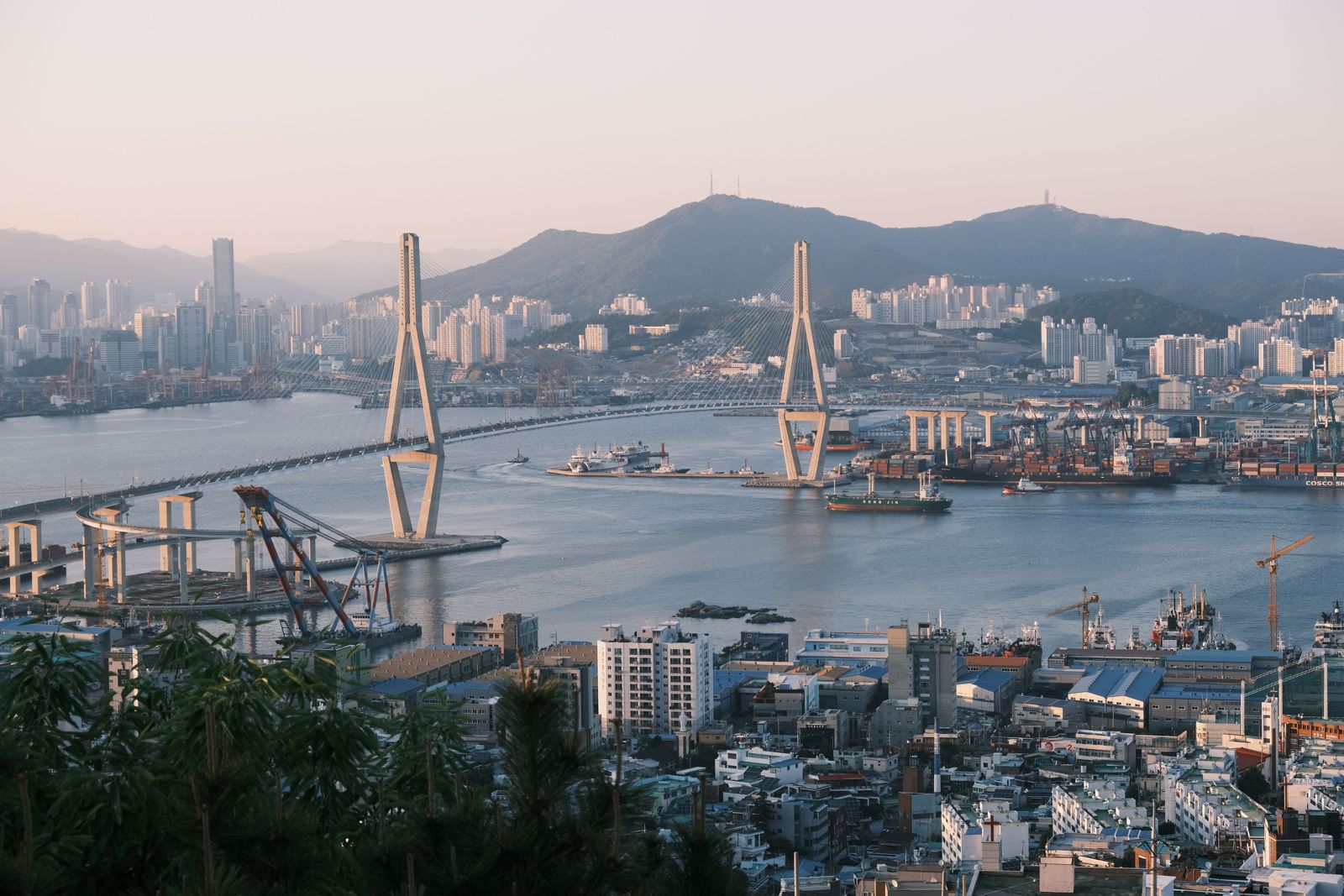
Bank Balance Proof, Done Right
Financial documents are one of the most common reasons student visa applications get delayed. The good news: most problems are easy to avoid if you plan early.
How much do you need to show?
The rule is simple: enough money for one year of tuition and living costs. Korea's Ministry of Justice sets a minimum, and it is lower for universities outside the Seoul area, which includes Busan.
| Visa | Busan and other regions | Seoul area |
|---|---|---|
| D-2 degree student | KRW 16,000,000 | KRW 20,000,000 |
| D-4 language student | KRW 8,000,000 | KRW 10,000,000 |
This is the legal minimum (since July 2023). Your university can ask for more. If its admission guide gives a higher number, use the university's number.
What the Embassy in Dhaka asks for
- Bank statement for the last 6 months (yours or your guarantor's)
- Income tax return acknowledgement receipt or certificate of return of income
Universities also often ask for a bank balance certificate issued within about 30 days before you apply. Check your university's timing.
Who can be your sponsor?
The money can be in your own account or a parent's account. If it is your parent's, you also need a document that proves your relationship, such as a family relationship certificate. A scholarship letter can replace part or all of the bank proof.
Red flags to avoid
- Names that don't match. "MD Rahman" on the bank statement and "Mohammad Rahman" on the NID or passport can cause questions. Make spellings match or explain the difference.
- Sudden large deposits. A big amount that appears just before you apply looks suspicious. Keep the money in the account for months, not days.
- A brand-new account. Use an account with a real history.
- Income that doesn't fit. Your sponsor's tax return should make sense with the amount they are supporting you with.
- No proof of relationship. Always include it when a parent or relative sponsors you.
Next step: Your D-2 visa checklist.